As cryptocurrency adoption continues to grow, more people are looking for safer ways to store their digital assets. Many beginners initially keep their crypto on exchanges like Binance or Coinbase, but this can expose them to unnecessary risk. Exchanges can be hacked, accounts can be frozen, and in extreme cases platforms can even collapse.
This is why experienced crypto users recommend using a hardware wallet.


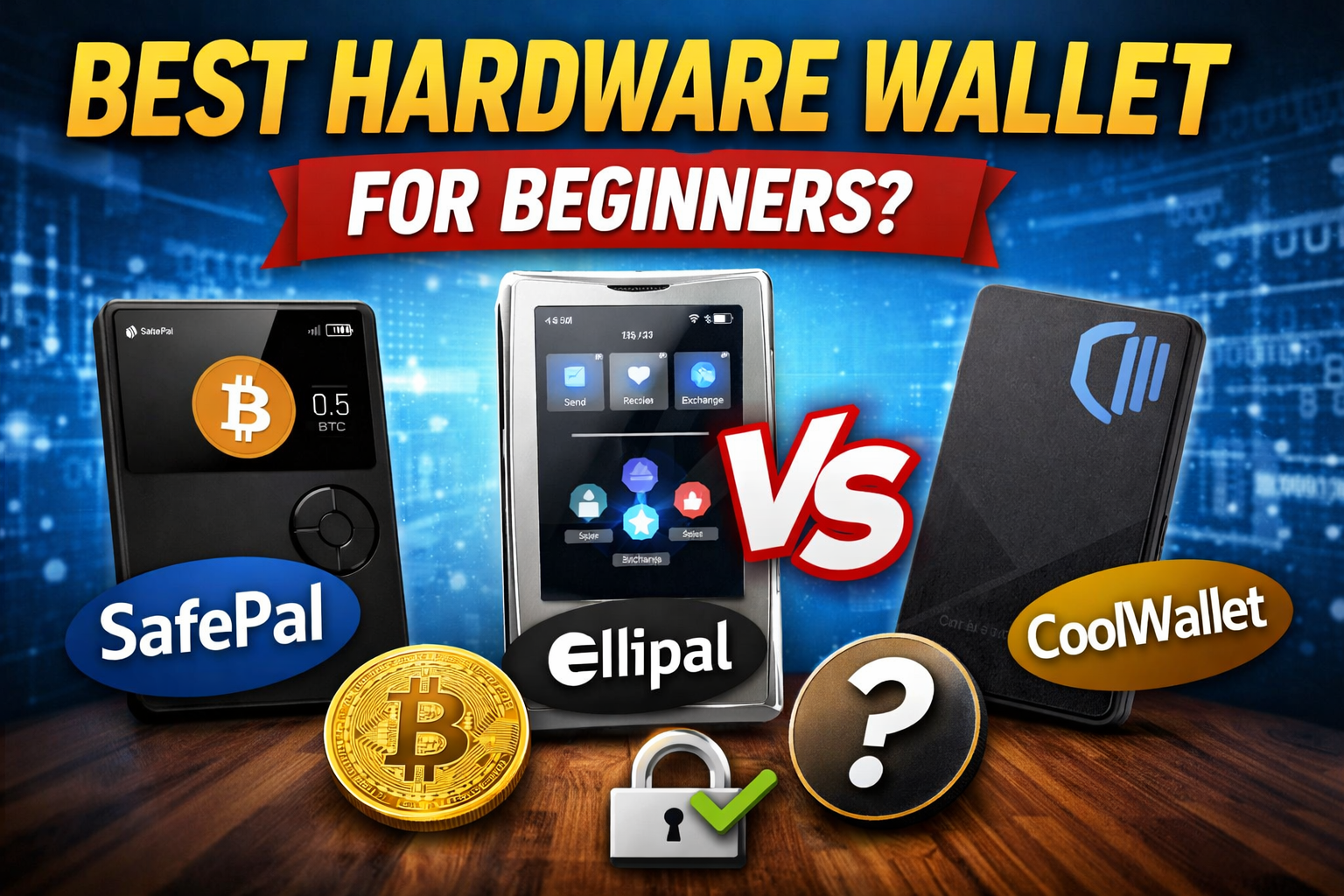
A hardware wallet stores your private keys offline, which makes it extremely difficult for hackers to access your funds. In this guide we will compare three popular hardware wallets that are beginner friendly: SafePal, Ellipal, and CoolWallet.
By the end of this article you will understand the differences and be able to decide which wallet best fits your needs.
What Is a Hardware Wallet?
A hardware wallet is a physical device designed to securely store the private keys that control your cryptocurrency. Instead of keeping your keys on an internet-connected device, they remain offline inside the hardware wallet.
This type of storage is commonly called cold storage.
The main benefits include:
• Significantly improved security
• Protection against online attacks
• Full control over your crypto assets
• Reduced reliance on exchanges
When you make a transaction, the hardware wallet signs it internally. The private key never leaves the device. Even if your computer or phone is compromised, the attacker cannot access your funds.
For beginners entering the crypto space, using a hardware wallet is one of the smartest steps you can take.
SafePal S1 – A Great Budget Hardware Wallet for Beginners
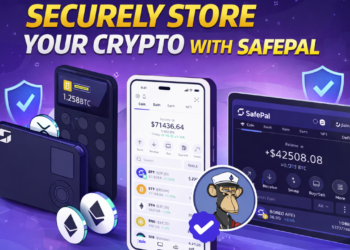
The SafePal S1 is one of the most affordable and beginner friendly hardware wallets currently available. It was designed to combine strong security with a simple user experience.
One of the key features of the SafePal S1 is its air-gapped security model. This means the device never connects directly to WiFi, Bluetooth, or USB data connections. Instead, transactions are signed using QR codes.
This reduces the attack surface and makes remote hacking extremely difficult.
Another advantage is its wide cryptocurrency support. SafePal supports thousands of tokens across multiple blockchains including Bitcoin, Ethereum, BNB Chain, and many ERC-20 tokens. The companion mobile app also supports staking, DeFi access, and token swaps.
The wallet includes:
• A camera for QR code transactions
• A secure element chip for private key storage
• Self-destruct security mechanisms
• A user friendly mobile app
For beginners who want a secure wallet without spending a lot of money, the SafePal S1 is often the most accessible option.
You can check the official product here:
Safepal
Pros
• Affordable price
• Air-gapped security
• Supports thousands of cryptocurrencies
• Easy mobile app integration
Cons
• Plastic build quality
• Smaller screen compared to some competitors
Ellipal Titan – Maximum Security for Long Term Storage
The Ellipal Titan is known for its strong focus on security. It is designed as a completely isolated device that never connects to networks.
Like SafePal, Ellipal uses QR code transactions instead of USB or Bluetooth connections. This keeps the wallet fully air-gapped at all times.
One of the most impressive aspects of the Ellipal Titan is its solid metal body. The device is built to resist physical tampering. If someone tries to open the device, the internal security system wipes the stored private keys.
Ellipal also supports a large number of cryptocurrencies and integrates with a mobile app that allows you to manage your assets, check balances, and perform transactions easily.
The Titan’s larger touchscreen makes navigation easier for beginners who prefer a device that feels more like a smartphone.
You can explore the Ellipal wallet here:
Ellipal
Pros
• Strong air-gapped security
• Durable metal body
• Large touchscreen
• Wide crypto support
Cons
• More expensive than SafePal
• Slightly heavier device
CoolWallet Pro – The Most Portable Hardware Wallet
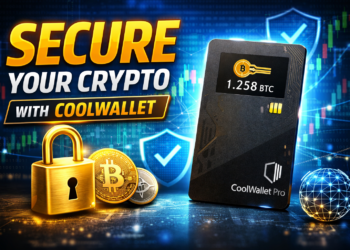
The CoolWallet Pro takes a completely different approach compared to SafePal and Ellipal. Instead of looking like a small device or phone, it is designed to resemble a credit card.
This ultra-thin design makes it extremely portable. You can easily keep it inside your physical wallet.
Unlike the other two devices, CoolWallet connects to your smartphone using encrypted Bluetooth communication. Some users prefer this approach because it makes transactions faster and more convenient.
Despite using Bluetooth, the CoolWallet Pro still uses a secure element chip and multiple layers of encryption to protect private keys.
The wallet is also waterproof and built with flexible materials that increase durability. Through the mobile app you can manage multiple cryptocurrencies, perform transactions, and even access staking features.
If portability and ease of use are important to you, CoolWallet can be a very appealing option.
Learn more here:
CoolWallet
Pros
• Credit card sized design
• Lightweight and portable
• Bluetooth connectivity for quick transactions
• Waterproof and durable
Cons
• Smaller display
• Some users prefer fully air-gapped wallets
SafePal vs Ellipal vs CoolWallet – Key Differences
When comparing these three wallets, the biggest differences come down to security approach, design, and price.
SafePal is ideal for beginners who want a secure wallet at a low cost. It uses QR code transactions and has strong security features while remaining affordable.
Ellipal focuses heavily on maximum security and durability. Its metal body and larger screen make it feel more premium, though it comes at a higher price.
CoolWallet stands out because of its credit card design and Bluetooth functionality. It is extremely portable and convenient for people who frequently manage crypto on their smartphone.
Which Hardware Wallet Is Best for Beginners?
The best choice depends on your priorities.
If you want the most affordable beginner wallet, SafePal is a great starting point.
If you want maximum security and durability, Ellipal Titan is an excellent option.
If you want maximum portability and convenience, CoolWallet Pro is a strong contender.
All three wallets provide significantly better security than leaving crypto on exchanges. Even the most basic hardware wallet dramatically reduces your exposure to online threats.
Final Thoughts
For anyone entering the cryptocurrency world, learning how to secure your assets is essential. Hardware wallets provide one of the safest methods for storing crypto long term.
SafePal, Ellipal, and CoolWallet all offer strong security features and beginner friendly interfaces. The right wallet ultimately depends on whether you prioritize affordability, durability, or portability.
If you plan to hold crypto for the long term, investing in a hardware wallet is one of the smartest decisions you can make.
Disclaimer
This article is for informational and educational purposes only and should not be considered financial or investment advice. Cryptocurrency investments carry significant risk, and you should always conduct your own research before purchasing any product or investing in digital assets. The links included in this article may be affiliate links, which means the author may earn a commission if you make a purchase through them, at no additional cost to you. Always verify information directly with the official manufacturer before making a purchase.